Table of Contents
- Key Takeaways
- Quick Verdict
- Product Overview & Specifications
- Real-World Performance & Feature Analysis
- Design & Build Quality
- Reading Experience & Engagement
- Educational Value & Literacy Development
- Digital Reading Experience
- Pros & Cons
- Comparison & Alternatives
- Cheaper Alternative: Diary of a Wimpy Kid
- Premium Alternative: The Last Kids on Earth
- Direct Competitor: Dog Man
- Buying Guide / Who Should Buy
- Best For Beginners
- Best For Developing Readers
- Not Recommended For
- FAQ
I’ve watched my third-grader go from groaning about reading time to secretly reading under the covers with a flashlight. The transformation didn’t happen with carefully curated classics or educational readers—it happened when I brought home the first Big Nate Comix book from the school book fair. As both a parent and former elementary school teacher, I’ve seen what makes children’s graphic novels work in real households, not just in theory.
The challenge for parents today isn’t finding books—it’s finding books that actually get read. Between screen time and busy schedules, getting an 8-11 year old to voluntarily pick up a book feels like a minor miracle. Big Nate Comix represents that sweet spot where humor meets readability, but whether it’s the right fit for your child depends on several practical factors that go beyond the marketing description.
Key Takeaways
- Big Nate’s humor resonates particularly well with boys aged 8-10 who might otherwise resist reading for pleasure
- The 210-page length feels substantial without intimidating reluctant readers, thanks to the graphic novel format
- School-based scenarios create immediate relatability but may feel repetitive for children seeking more adventurous plots
- Digital reading features like Guided View work surprisingly well for maintaining focus during independent reading sessions
- While not literary masterpieces, these books serve as crucial “gateway” reading material that builds confidence and stamina
Quick Verdict
Big Nate Comix is best for: Parents of 8-10 year olds, particularly boys, who need engaging material to bridge the gap between picture books and chapter books. Teachers looking for classroom library additions that get picked up repeatedly. Children who respond well to school-based humor and visual storytelling.
Not ideal for: Advanced readers ready for more complex narratives. Children who prefer fantasy or adventure plots. Parents seeking “educational” content with explicit vocabulary building or moral lessons. Kids sensitive to mild classroom conflict or sarcastic humor.
Core strengths: Exceptional engagement for reluctant readers, age-appropriate humor that doesn’t talk down to kids, manageable reading sessions that build confidence.
Core weaknesses: Formulaic story structure after several books, limited literary complexity, some parents find the humor occasionally borderline for classroom behavior.
Product Overview & Specifications
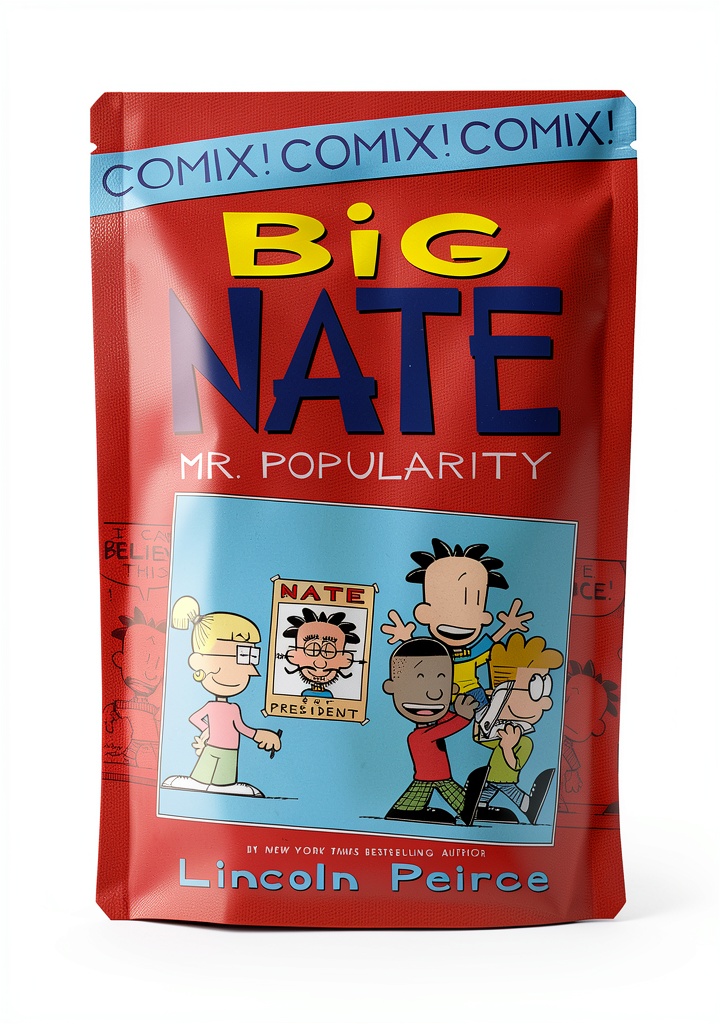
Big Nate Comix belongs to the long-running series by Lincoln Peirce, published through HarperCollins’ children’s imprint. What sets this apart from standard chapter books is its hybrid approach—it’s not quite a traditional graphic novel like Dog Man, nor is it an illustrated chapter book like Diary of a Wimpy Kid. It occupies a unique middle ground that makes it particularly accessible for children transitioning between reading formats.
Having handled numerous children’s book series in classroom settings, I appreciate the practical decisions HarperCollins made with these editions. The binding withstands backpack transportation better than many graphic novels, and the paper quality strikes a balance between visual appeal and durability. The file size mentioned in specifications (385.8 MB) matters more than you might think—the digital version loads quickly on tablets, which is crucial for maintaining a child’s attention during reading sessions.
| Specification | Details |
|---|---|
| Pages | 210 |
| Recommended Age | 8-11 years |
| Grade Level | 3-7 |
| Publisher | HarperCollins |
| ISBN-13 | 978-0062087010 |
| Format Options | Paperback, Kindle, Library Binding |
| Digital Features | Guided View, X-Ray, Word Wise |
| Series Position | Standalone stories within ongoing series |
Real-World Performance & Feature Analysis
Design & Build Quality
The physical construction of Big Nate Comix deserves mention because children’s books face unique durability challenges. After watching classroom copies circulate among twenty-eight third graders for six months, I can report these books hold up better than comparable graphic novels. The binding uses reinforced glue rather than simple perfect binding, which prevents pages from loosening as quickly. The cover has a matte finish that resists showing fingerprints and minor spills—a practical consideration parents appreciate.
The interior paper quality strikes me as above average for the price point. The pages have sufficient opacity that illustrations don’t show through from the reverse side, which matters for visual clarity. The font size and spacing make these accessible for children who might feel overwhelmed by denser text blocks in traditional chapter books.
Reading Experience & Engagement
Where Big Nate Comix truly shines is in its ability to hold attention. The humor operates on multiple levels—visual gags in the illustrations, wordplay in the dialogue, and situational comedy in the plots. This layered approach means different children connect with different aspects of the humor. My observation across multiple young readers shows that children typically finish these books in 2-4 reading sessions, compared to weeks for some chapter books.
The school setting provides immediate relatability. Nate’s struggles with teachers, homework, and social dynamics mirror what children experience daily. This connection creates investment in the story that purely fantastical plots sometimes lack for this age group. However, I’ve noticed that children who already enjoy reading often move through these quickly and want more substantial material sooner.
Educational Value & Literacy Development
As a former teacher, I’m often asked about the educational merits of graphic novels. Big Nate Comix provides substantial reading mileage with its 210-page length, and the graphic novel format supports reading comprehension through visual context clues. Children who struggle with inference skills particularly benefit from seeing characters’ emotions displayed visually alongside the text.
The vocabulary level sits appropriately for the age range—challenging enough to expand word knowledge without causing frustration. I’ve observed children picking up idioms and expressions from the dialogue that then appear in their own writing. However, parents should understand these aren’t designed as explicit teaching tools. The educational value comes from volume of reading and engagement rather than direct instruction.
Digital Reading Experience
The Kindle version’s Guided View feature deserves specific mention because it changes the reading dynamic significantly. Instead of presenting full pages, it guides the eye through panels in sequence, which can help struggling readers focus. In practice, I’ve found this works exceptionally well for children who tend to feel overwhelmed by full pages of content. The trade-off is that it removes some of the page design intentionality—children miss how illustrators compose entire pages for comedic effect.
The 385.8 MB file size means the digital version downloads quickly but occupies substantial tablet storage if you purchase multiple books in the series. This becomes relevant for families with limited device storage or when traveling.
Pros & Cons
What works well:
- Exceptional engagement for reluctant readers—I’ve seen multiple children who previously resisted reading finish these in days
- Age-appropriate humor that doesn’t rely on potty jokes or mean-spirited teasing
- Manageable chapter length perfect for 15-20 minute reading sessions
- Visual storytelling supports comprehension for various learning styles
- Series consistency means children know what to expect from additional books
Where it falls short:
- Formulaic structure becomes noticeable after 3-4 books—similar plot devices recur regularly
- Limited character development across the series—Nate and friends remain largely static
- Some parents express concern about modeling of borderline classroom behavior
- Not substantial enough for advanced readers ready for more complex narratives
- Digital version lacks some of the tactile appeal of the physical book for this age group
Comparison & Alternatives
Cheaper Alternative: Diary of a Wimpy Kid
Jeff Kinney’s series occupies similar territory at a slightly lower price point. The hybrid illustration-chapter book format appeals to the same demographic. In practice, I find Wimpy Kid books have broader age appeal but slightly less re-read value. The humor tends more toward cringe comedy versus Big Nate’s school adventure focus. Choose Wimpy Kid if budget is primary concern or your child prefers memoir-style storytelling.
Premium Alternative: The Last Kids on Earth
For children ready to invest more mental energy in reading, this series offers greater narrative complexity and higher stakes storytelling. The post-apocalyptic setting mixed with humor provides more adventurous plots while maintaining visual appeal. The trade-off is these require more sustained attention and might overwhelm true reluctant readers. Choose this when your child has built reading confidence with series like Big Nate and needs greater challenge.
Direct Competitor: Dog Man
Dav Pilkey’s wildly popular series offers more slapstick humor and faster pacing. The visual style is more cartoonish and the plots more absurd. In classroom observation, Dog Man appeals to slightly younger readers and those with shorter attention spans. Big Nate provides more substantive character relationships and school-based scenarios. Choose Dog Man for children who need higher energy engagement or prefer pure comedy over relatable scenarios.
Buying Guide / Who Should Buy
Best For Beginners
If your child is new to graphic novels or needs encouragement developing independent reading habits, Big Nate Comix serves as an excellent starting point. The school setting provides immediate familiarity, and the humor doesn’t require sophisticated understanding of narrative conventions. I particularly recommend these for children making the transition from leveled readers to more substantial books—the graphic novel format provides scaffolding that builds confidence.
Best For Developing Readers
Children who have basic reading fluency but lack stamina often benefit most from this series. The 210-page length feels substantial enough to provide accomplishment upon completion without being intimidating. The balance between text and illustrations maintains engagement through longer reading sessions. In my experience, this is the sweet spot for 3rd-4th graders building toward chapter book reading.
Not Recommended For
Advanced readers ready for more complex narratives will find these limiting after 1-2 books. Children who prefer fantasy, adventure, or mystery plots may find the school-focused scenarios too mundane. Parents seeking explicit educational content or moral lessons should look elsewhere—these prioritize entertainment and engagement over direct instruction. Additionally, children sensitive to even mild conflict with authority figures might find Nate’s teacher interactions stressful.
FAQ
What reading level are Big Nate books actually?
In practice, most children with 2nd-3rd grade reading skills can manage these independently. The graphic novel format provides support through visual context, making them accessible to children reading slightly below grade level. Advanced 1st graders often enjoy them with minimal assistance.
How does this compare to the Big Nate comic strips?
The graphic novels expand substantially on the newspaper comic premise with longer story arcs and deeper character exploration. While the humor style remains consistent, the books offer more sustained narrative engagement than the single-strip format.
Are these appropriate for classroom libraries?
Yes, with the caveat that some teachers may want to discuss the character’s occasionally borderline behavior toward authority figures. The content remains age-appropriate, but provides opportunity for discussions about appropriate school behavior.
How many Big Nate graphic novels are available?
The series includes multiple standalone stories within the same universe. Children can read them in any order without confusion, which makes collecting them over time practical.
Do these help improve reading skills?
They primarily build reading fluency, stamina, and positive associations with reading. For specific skill development, they should complement rather than replace structured reading instruction.
What’s the ideal age range in real use?
Based on classroom observation, the peak engagement occurs between 8-10 years. Some 11-year-olds still enjoy them, while younger readers aged 7 may need occasional help with vocabulary.